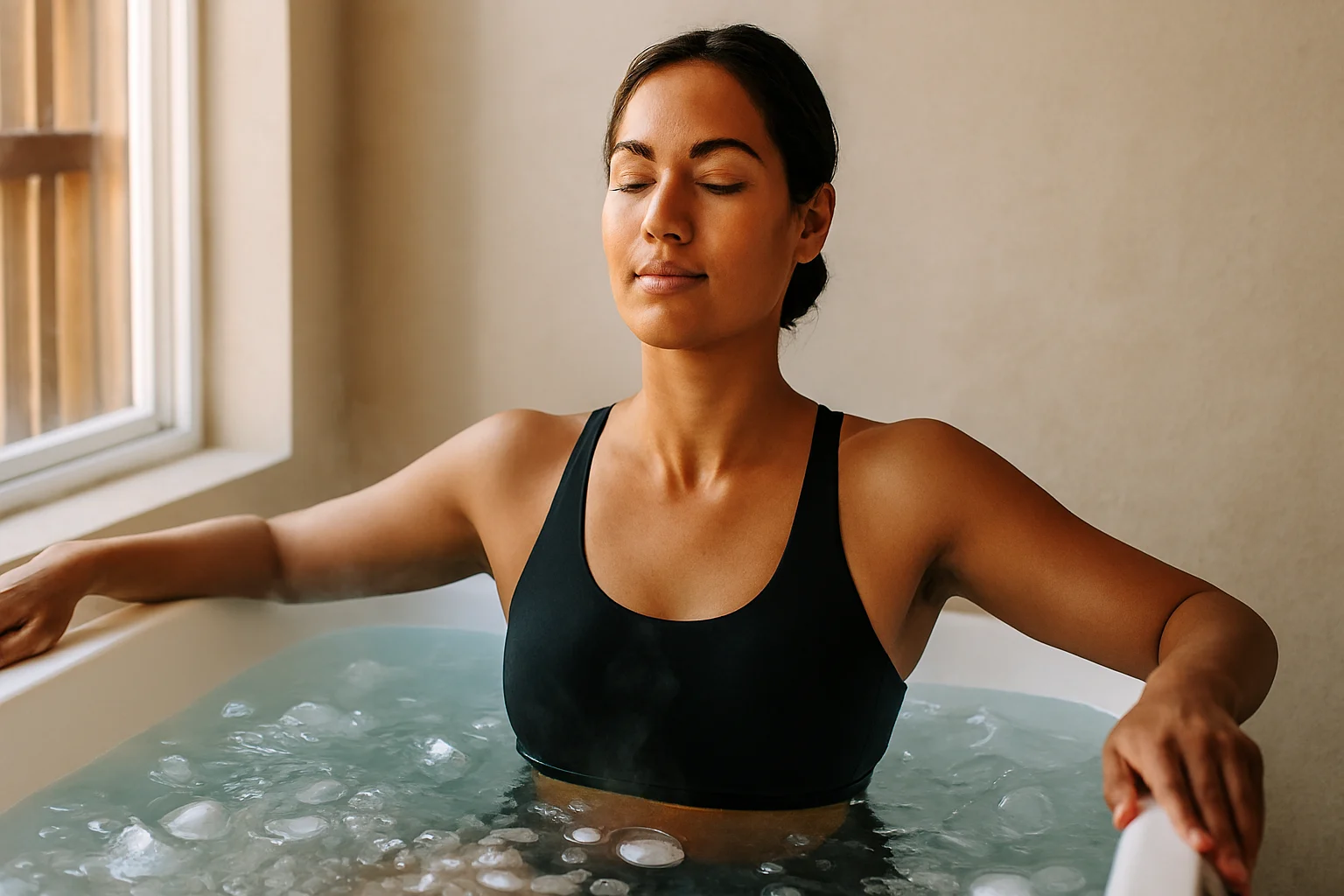
When Emily Emmins posted videos of herself stepping into an ice-cold tub, she expected reactions like “I could never” or “so brave.” Instead, her inbox flooded with warnings: Ice baths aren’t safe for women.
Sound familiar? If you’ve heard that cold water immersion is somehow dangerous for female bodies, you’re not alone. This myth has kept countless women from experiencing one of 2026’s most powerful wellness practices.
Here’s the truth: cold plunge therapy offers unique advantages for women’s bodies—from hormonal balance to menopause relief. Let’s explore the science-backed benefits that every woman should know.
Why Cold Plunge Therapy Is Gaining Traction Among Women
Cold plunge therapy—also called cold water immersion or ice bath therapy—involves submerging your body in water between 50-59°F (10-15°C) for short periods, typically 2-10 minutes.
The wellness industry has exploded with interest in therapeutic cold exposure. Research shows women now represent 40% of cold plunge users, up from just 15% in 2020. This shift makes sense: women are seeking natural solutions for hormonal health, stress management, and recovery that don’t require prescriptions or invasive procedures.
But why were women initially discouraged from this practice? The misconception stems from outdated assumptions about female cold tolerance and concerns about stress on reproductive hormones. Modern research tells a different story entirely.
The Science: How Cold Water Immersion Works in Women’s Bodies
When you enter cold water, your body initiates a powerful physiological cascade. Blood vessels constrict immediately, reducing inflammation and pushing blood toward vital organs. This process, called vasoconstriction, protects your core temperature.
Once you exit and warm up, blood vessels dilate rapidly. This flooding effect delivers oxygen and nutrients to tissues while flushing out metabolic waste like lactic acid. For women specifically, this circulation boost offers distinct advantages.
Gender Differences in Cold Response
Yes, women do feel cold more intensely than men. Studies confirm we report feeling colder and begin shivering at higher temperatures than our male counterparts. But here’s the surprising benefit: this increased sensitivity means women need less extreme temperatures and shorter exposure times to achieve therapeutic effects.
Dr. Stacy Sims, a renowned exercise physiologist, explains that women’s blood vessels naturally dilate after exercise, causing blood to pool near the skin. Cold water therapy helps reverse this, pushing blood back to muscles more efficiently than it does for men. Translation? Better recovery with less extreme cold exposure.
Your body also releases stress hormones like norepinephrine during cold exposure. In controlled, short bursts, these hormones boost mood, sharpen focus, and build mental resilience—benefits that research shows are particularly pronounced in women.
7 Transformative Health Benefits of Cold Plunges for Women
1. Hormonal Balance & Menstrual Cycle Support
Cold water therapy influences the endocrine system in ways that may support menstrual regularity. The controlled stress triggers beneficial hormonal responses, potentially helping regulate cortisol levels that often disrupt reproductive hormones.
Many women report reduced PMS symptoms, including decreased cramping and mood swings, after incorporating regular cold immersion. While more research is needed, the inflammation-reducing effects likely contribute to these improvements.
2. Menopause Symptom Relief
A groundbreaking 2026 University College London study found that cold water swimming significantly reduced hot flashes, anxiety, and low mood in menopausal women. Participants reported feeling more in control of their symptoms after just eight weeks of regular cold exposure.
The temperature regulation benefits extend beyond immediate relief. Cold therapy appears to recalibrate the body’s thermostat, helping women manage temperature fluctuations throughout the day—not just during immersion.
3. Enhanced Athletic Recovery & Circulation
Post-workout cold plunges help women recover faster than passive rest. The vasoconstriction-to-vasodilation cycle accelerates muscle repair by improving blood flow to damaged tissue.
According to research on female athletes, cold water immersion within 30 minutes of intense exercise reduces muscle soreness by up to 20% compared to standard recovery methods. This benefit stems from the unique way women’s circulatory systems respond to cold.
4. Mental Health Support
Women experience anxiety and depression at nearly twice the rate of men. Cold plunge therapy offers a drug-free intervention with impressive results.
The cold shock triggers a massive release of norepinephrine—a neurotransmitter that boosts mood and alertness. Studies show regular cold exposure can increase baseline norepinephrine levels by up to 250%, creating lasting improvements in mental well-being.
Women who practice cold immersion 2-3 times weekly report feeling more resilient to daily stressors and experiencing fewer depressive episodes.
5. Immune System Strengthening
Regular cold exposure trains your immune system to respond more efficiently to threats. Research demonstrates that people who practice cold water immersion have 29% fewer sick days than non-practitioners.
For women juggling multiple responsibilities, this immune boost translates to fewer interruptions from common illnesses. The practice stimulates white blood cell production, enhancing your body’s natural defense mechanisms.
6. Inflammation Reduction & Pain Management
Chronic inflammation underlies many conditions disproportionately affecting women, including autoimmune diseases, fibromyalgia, and arthritis. Cold therapy reduces inflammatory markers like cytokines, offering relief without medication side effects.
Women with chronic pain conditions report significant symptom reduction after 4-6 weeks of consistent cold plunge practice. The anti-inflammatory effects compound over time, creating cumulative benefits.
7. Metabolism & Weight Management Support
Cold exposure activates brown adipose tissue (BAT)—a type of metabolically active fat that burns calories to generate heat. Women naturally have more brown fat than men, making this benefit particularly relevant.
While cold plunges aren’t a weight loss solution alone, they can support healthy metabolism when combined with proper nutrition and exercise. Some research suggests regular cold exposure may increase daily caloric burn by 100-300 calories.
Who Should Avoid Cold Plunges? Women-Specific Safety Considerations
Cold plunge therapy isn’t appropriate for everyone. Women should avoid ice baths if they:
Are pregnant or breastfeeding: The extreme stress on the cardiovascular system poses unnecessary risks during pregnancy. Consult your healthcare provider before attempting any cold therapy while pregnant.
Have Raynaud’s disease or circulation disorders: Existing vascular issues can worsen with cold exposure, potentially causing dangerous circulation problems in extremities.
Are menstruating heavily: While light cold exposure is generally safe during menstruation, very cold temperatures during heavy flow may be uncomfortable and could theoretically affect blood flow.
Have uncontrolled high blood pressure or heart conditions: The sudden vasoconstriction can spike blood pressure dangerously. Always get medical clearance if you have cardiovascular concerns.
Warning Signs to Exit Immediately:
- Uncontrollable shivering
- Numbness that doesn’t resolve quickly
- Chest pain or irregular heartbeat
- Extreme skin color changes (blue or white)
- Confusion or difficulty speaking
Listen to your body above all else. If something feels wrong, trust that instinct and exit the cold water.
Your 4-Week Beginner Protocol for Women
Starting too aggressively is the biggest mistake beginners make. This progressive protocol respects women’s unique physiological responses while building tolerance safely.
Week 1-2: Building Foundation
- Temperature: 60-65°F (15-18°C)
- Duration: 30-60 seconds
- Frequency: 2-3 times per week
- Focus: Controlled breathing, staying calm, proper entry technique
Start with cold showers if full immersion feels overwhelming. Gradually decrease temperature over these two weeks.
Week 3-4: Increasing Intensity
- Temperature: 55-60°F (13-15°C)
- Duration: 1-3 minutes
- Frequency: 3-4 times per week
- Focus: Extending duration comfortably, observing how your body responds
Best Practices for Women:
Time your cold plunges during the follicular phase (first two weeks after menstruation) when hormone levels make stress adaptation easier. Many women find cold therapy more challenging during the luteal phase (week before menstruation).
Pre-Plunge Ritual:
- Light movement or stretching to warm muscles
- Practice breathwork (4-7-8 breathing pattern)
- Set a timer—never guess duration
- Have warm clothes and a warm beverage ready
Post-Plunge Recovery:
- Allow natural rewarming—don’t immediately use hot water
- Light movement helps circulation restart
- Hydrate with warm fluids
- Wait 10-15 minutes before intense activity
Getting Started: Equipment & Cost Breakdown for Women
You don’t need expensive equipment to experience cold plunge benefits. Here’s a realistic breakdown:
Budget-Friendly Options ($100-300):
- Large livestock water trough from farm supply stores
- Inflatable ice bath tubs (portable, easy storage)
- Modified chest freezer (DIY with temperature controller)
These work perfectly for beginners testing whether cold therapy fits their lifestyle.
Mid-Range Solutions ($500-2,000):
- Dedicated cold plunge tubs with built-in chillers
- Pod-style units designed for home use
- Filter systems for cleaner water maintenance
These options suit women committing to regular practice who want convenience and better temperature control.
Premium Investment ($2,000-10,000+):
- Professional-grade cold plunge systems
- Integrated sauna-cold plunge combinations
- Smart temperature monitoring with app connectivity
Only consider premium options after months of consistent practice confirm this modality works for your body.
What Women Actually Need:
- Accurate thermometer (most important investment)
- Non-slip mat for safety entering/exiting
- Timer or waterproof watch
- Warm robe and slippers for afterward
Skip gimmicky add-ons marketed specifically to women. The benefits come from cold water immersion itself, not fancy accessories.
Frequently Asked Questions
Can I do cold plunges during my period?
Yes, but listen to your body. Many women find cold therapy comfortable during menstruation, while others prefer to skip during heavy flow days. There’s no medical reason to avoid it, but comfort is personal. Start with milder temperatures during your cycle and adjust based on how you feel.
How long before I notice health benefits?
Most women report improved mood and energy within the first week. Physical benefits like better recovery and reduced inflammation typically appear after 2-3 weeks of consistent practice. Hormonal effects and metabolic changes take 4-8 weeks of regular immersion to manifest noticeably.
Is cold plunge therapy safe during perimenopause?
Generally yes, and it may offer particular benefits for managing hot flashes and mood swings. However, consult your healthcare provider first, especially if you have blood pressure concerns. The UCL study showed significant symptom relief in perimenopausal women, making this an exciting option for this life stage.
Do I need to submerge my head?
No. Submerging up to your neck provides all the therapeutic benefits without the discomfort and potential risks of dunking your head. Keep your head above water, especially as a beginner.
Can cold plunges help with weight loss?
Cold exposure supports metabolism but isn’t a standalone weight loss solution. It activates calorie-burning brown fat and may increase daily energy expenditure modestly. Think of it as a complementary practice to healthy eating and exercise—not a replacement for either.
Start Your Cold Plunge Journey Today
The science is clear: cold plunge therapy offers powerful health benefits specifically suited to women’s physiology. From hormonal balance to mental resilience, therapeutic cold exposure deserves a place in your wellness routine.
Don’t let outdated myths keep you from this transformative practice. Start with cold showers this week, gradually progress to brief cold plunges, and discover how your body responds.
Your journey toward enhanced recovery, better mood, and optimal health begins with a single brave step into cold water. Are you ready to take it?