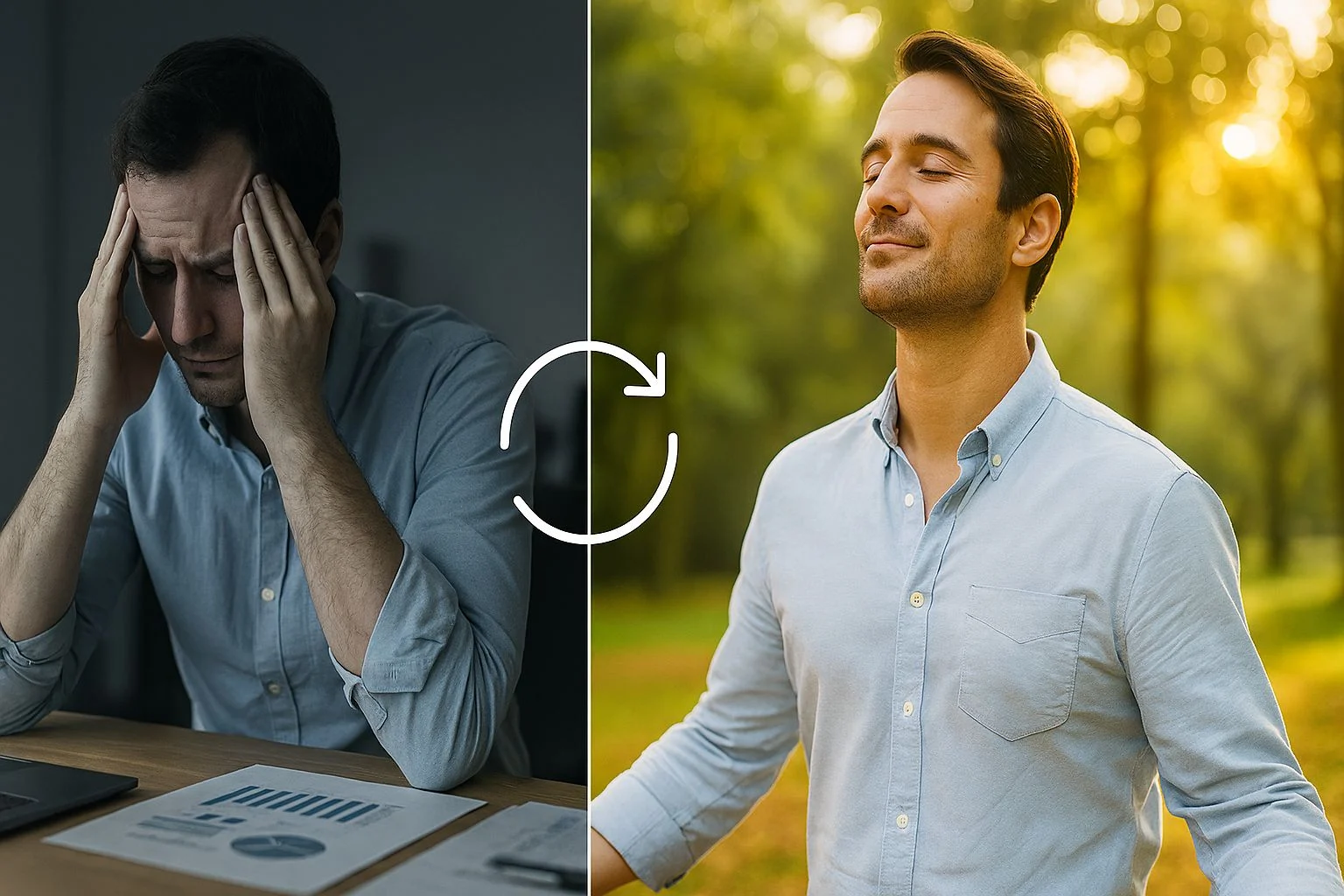
Your heart pounds. Your shoulders clench. Your mind races through an endless loop of worries. You’re exhausted but wired, trapped in a stress cycle that feels impossible to escape.
If this sounds familiar, you’re not alone. Millions of people worldwide live in a state of chronic nervous system dysregulation—stuck in fight-or-flight mode with no off switch in sight.
The good news? Your autonomic nervous system isn’t broken. It just needs a reset. And science has identified specific techniques that can shift your body from stressed to calm in minutes, not months.
In this guide, you’ll discover seven evidence-based methods to regulate your nervous system naturally. These aren’t temporary Band-Aids—they’re neurobiological tools that work with your body’s innate healing mechanisms to restore balance when you need it most.
Understanding Your Nervous System (Before the Reset)
Before we dive into techniques, let’s understand what’s actually happening inside your body during stress.
Your autonomic nervous system has two main branches working in opposition: the sympathetic nervous system (your stress accelerator) and the parasympathetic nervous system (your relaxation brake). When functioning properly, these systems work in harmony to help you respond to challenges and then recover.
The problem? Modern life keeps your stress accelerator floored while your relaxation brake barely functions.
Your sympathetic nervous system evolved to save your ancestors from immediate physical threats—predators, food shortages, dangerous weather. But today, this same system activates for emails, traffic jams, and social media notifications. Your nervous system can’t tell the difference between a tiger and a text message. Both trigger the same cascade of stress hormones: cortisol and adrenaline flooding your bloodstream, heart rate spiking, breathing becoming shallow.
Without adequate recovery time, you get stuck in what researchers call “stress cycling”—constantly reacting to stressors without completing the stress response. Over time, this chronic activation leads to anxiety, irritability, fatigue, digestive issues, and eventually burnout.
The solution isn’t eliminating stress—that’s impossible. Instead, it’s learning to activate your parasympathetic nervous system intentionally, bringing your body back to baseline after stress. That’s where these seven techniques come in.
7 Proven Techniques to Reset Your Nervous System
1. Physiological Sigh Breathing (30-60 Seconds)
The fastest way to downregulate your stress response is through a specific breathing pattern called the physiological sigh—and Stanford University research proves it works better than any other breathwork technique.
How it works: Take two sharp inhales through your nose (the second inhale “pops” open collapsed air sacs in your lungs), then exhale slowly and completely through your mouth.
Why it’s so effective: that double inhale followed by a long exhale does something remarkable to your biology. Research published in Cell Reports Medicine found that daily practice of physiological sighing for just five minutes significantly reduced physiological arousal, lowered respiratory rate, and improved mood more than mindfulness meditation alone.
The mechanism is elegant: when you inhale, your heart rate increases slightly and blood return to the heart decreases. When you exhale, especially a prolonged exhale, you stimulate the vagus nerve—the primary conductor of your parasympathetic nervous system. This activation slows your heart rate, lowers blood pressure, and signals safety to your brain.
According to Dr. David Spiegel, director of the Center on Stress and Health at Stanford Medicine, the physiological sigh essentially doubles down on exhalation, making it a biological hack for shifting into a calmer state.
When to use it: During acute stress moments—before a difficult conversation, after receiving bad news, when anxiety starts spiraling. Even 1-3 physiological sighs can break the stress cycle in under a minute.
How to practice:
- Inhale deeply through your nose
- Take a second, shorter “sip” inhale through your nose
- Exhale slowly and completely through your mouth (like blowing out birthday candles)
- Repeat 1-3 times for immediate relief, or practice for 5 minutes daily for long-term benefits
2. Cold Exposure Therapy (15 Seconds to 5 Minutes)
If breathwork is the gentle brake on your stress response, cold exposure is the emergency stop button.
Exposing your body to acute cold—whether through splashing ice water on your face, applying a cold compress to your neck, or taking a cold shower—creates immediate vagal nerve stimulation that shifts your entire nervous system into parasympathetic mode.
The science is impressive: research published in JMIR found that cold stimulation applied to the lateral neck region activated parasympathetic nervous system responses closely resembling noninvasive vagus nerve stimulation devices. Participants experienced increased heart rate variability (a marker of nervous system flexibility) and decreased heart rate in as little as 16 seconds.
This happens through what’s called the “diving reflex”—an ancient mammalian response triggered when cold water contacts your face, especially around your eyes, forehead, and nose. The cold activates the trigeminal nerve in your face, which signals the vagus nerve to slow your heart rate and redirect blood flow to your core organs. Your body interprets this as a survival situation requiring calm, focused energy rather than panic.
Cold exposure also releases norepinephrine, a neurotransmitter that reduces depression and anxiety while improving mood and focus. Studies show that regular cold water immersion improves both short-term stress resilience and long-term emotional regulation.
When to use it: During panic attacks, overwhelming anxiety, or when you feel emotionally flooded and need immediate grounding.
How to practice (start gradually):
- Beginner: Splash cold water on your face for 15-30 seconds
- Intermediate: Place ice pack on back of neck or chest for 1-2 minutes
- Advanced: End your shower with 30-90 seconds of cold water, gradually building to 3-5 minutes
3. Humming, Singing & Vocal Toning (1-5 Minutes)
Your vagus nerve physically connects to the muscles in your throat and vocal cords, which means you can literally vibrate this nerve into activation through sound.
When you hum, sing, chant, or even gargle, the mechanical vibration directly stimulates vagal fibers, triggering parasympathetic activation and stress reduction. This isn’t woo-woo—it’s basic neuroanatomy.
Research shows that vocal activities increase vagal tone (the strength and responsiveness of your vagus nerve), which correlates with better emotional regulation, stress resilience, and overall mental health. People with higher vagal tone recover from stress faster and experience less anxiety and depression.
When to use it: During commutes, household chores, or as a morning/evening ritual. Perfect for people who find breathwork boring or difficult.
How to practice:
- Humming: Close your mouth and hum any comfortable pitch for 1-2 minutes, feeling the vibration in your chest and throat
- Singing: Sing along to your favorite songs (in the car, shower, anywhere private)
- Chanting: Try “Om” or any simple sound repeated slowly
- Gargling: Gargle water for 30 seconds (bonus: it’s also stimulating!)
4. Progressive Muscle Relaxation (5-10 Minutes)
Stress doesn’t just live in your mind—it’s stored in your body as chronic muscle tension. Progressive muscle relaxation (PMR) is a somatic technique that helps release this physical stress while calming your nervous system.
The method is simple: systematically tense and then release each muscle group, teaching your body the difference between tension and relaxation. This practice directly activates parasympathetic responses and helps complete unfinished stress cycles trapped in your muscles.
PMR works through a principle called “reciprocal inhibition”—when you intentionally contract a muscle and then release it, the muscle relaxes more deeply than it was before contraction. This sends powerful feedback to your brain that danger has passed and it’s safe to stand down.
Research shows PMR effectively reduces anxiety, improves sleep quality, and lowers blood pressure. It’s particularly helpful for people with trauma histories, as it builds body awareness without requiring direct processing of traumatic memories.
When to use it: Before sleep, after work, or during mid-day breaks when you notice body tension accumulating.
How to practice:
- Find a quiet space and sit or lie comfortably
- Start with your toes: squeeze tight for 5 seconds, then release completely for 10 seconds
- Move upward: feet, calves, thighs, glutes, abdomen, hands, arms, shoulders, face
- Notice the contrast between tension and release
- Complete cycle takes 5-10 minutes
5. Bilateral Stimulation & Tapping (3-5 Minutes)
Bilateral stimulation—alternating left-right physical sensations—helps process stuck emotional energy and restore nervous system balance. This technique comes from trauma therapy (specifically EMDR) but works for everyday stress too.
The most accessible form is called the “butterfly hug”: cross your arms over your chest and alternately tap your shoulders, left-right-left-right, while taking slow breaths. This creates rhythmic bilateral input that helps integrate left and right brain hemispheres and calms emotional reactivity.
Another evidence-based approach is EFT (Emotional Freedom Technique) tapping, which combines bilateral tapping on specific acupressure points while acknowledging your emotional state. While the exact mechanisms are still being researched, clinical studies show EFT effectively reduces anxiety, PTSD symptoms, and chronic stress.
When to use it: When you feel emotionally stuck, ruminating, or can’t shake a particular worry.
How to practice:
- Butterfly hug: Cross arms, alternately tap shoulders for 1-2 minutes
- EFT tapping: Tap with fingertips on: eyebrow point, side of eye, under eye, under nose, chin, collarbone, under arm
- Repeat sequences while breathing slowly and acknowledging what you’re feeling
6. Nature Immersion & Grounding (15-30 Minutes)
Sometimes the best nervous system reset is removing yourself from the environment causing dysregulation and reconnecting with the natural world.
Research consistently shows that spending time in nature reduces cortisol levels, lowers heart rate, decreases rumination, and improves mood—even brief exposure has measurable effects. One study found that just 90 minutes walking in nature reduced activity in the subgenual prefrontal cortex, a brain region associated with depression and anxiety.
The practice of “earthing” or “grounding”—direct physical contact with the earth’s surface—may offer additional benefits through electron transfer, though this area needs more research. What we know for certain: being in nature engages your senses in non-threatening ways, pulling attention away from anxious thoughts and into present-moment awareness.
When to use it: When you feel mentally overwhelmed, disconnected from your body, or trapped in rumination.
How to practice:
- Walk in a park, forest, or any green space for 15-30 minutes
- Practice the 5-4-3-2-1 technique: Notice 5 things you see, 4 you hear, 3 you feel, 2 you smell, 1 you taste
- Walk barefoot on grass or sand if possible
- Sit under a tree and simply observe for 10 minutes without phone distractions
7. Vigorous Movement Followed by Rest (10-20 Minutes)
This final technique addresses a crucial truth: sometimes you can’t calm down until you complete the stress cycle your body started.
When you experience stress, your body gears up for physical action—fight or flight. But modern stressors rarely require physical responses. You stay sitting at your desk, frozen in traffic, or lying in bed worrying. The stress energy has nowhere to go, creating that “wired but tired” feeling.
The solution? Give your body permission to move the energy through and then consciously transition into rest.
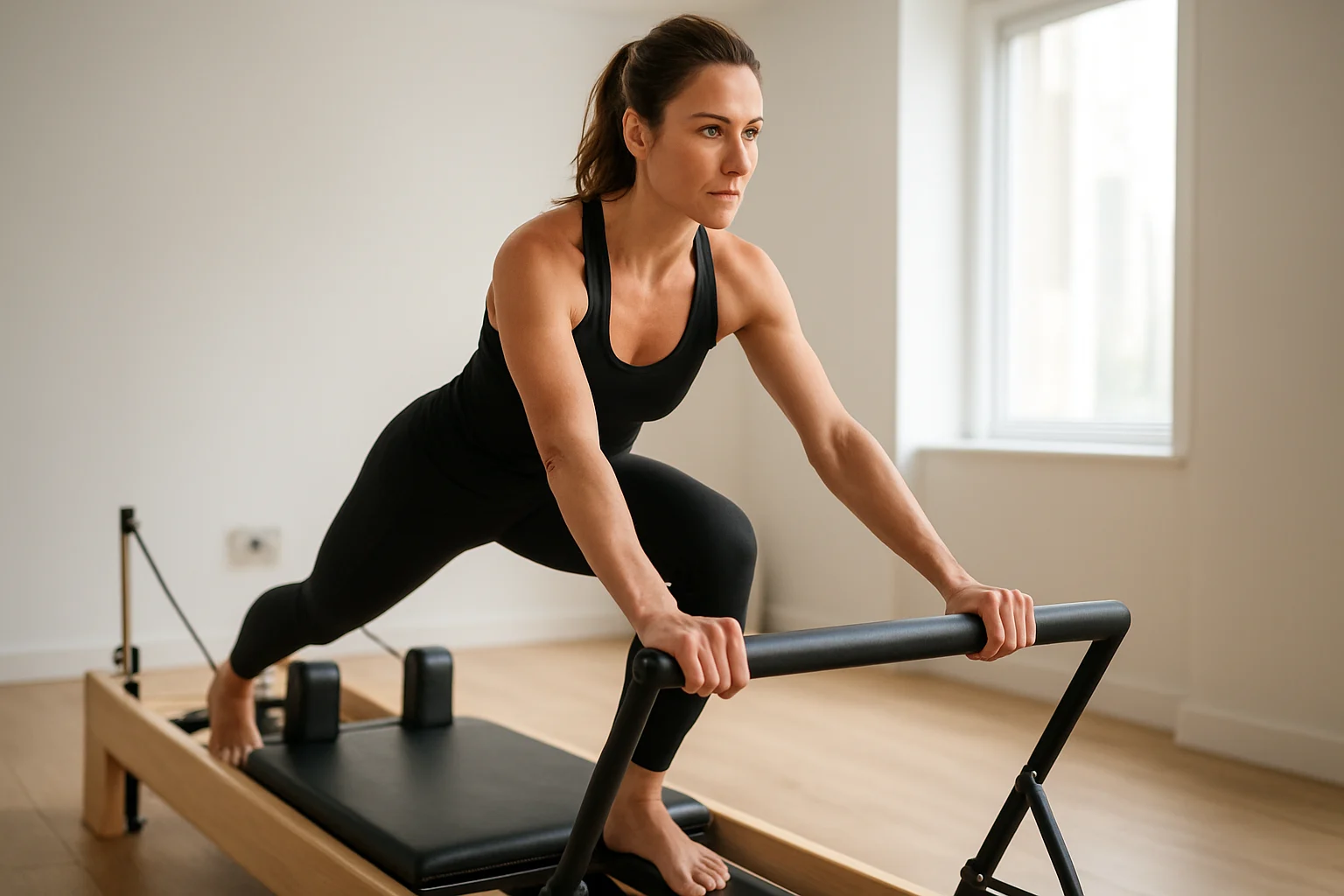
Exercise—particularly moderate-intensity cardio—is one of the most well-researched stress reducers. Physical activity burns off excess stress hormones, releases mood-boosting endorphins, and literally completes the biological stress response your body initiated. Research shows regular exercise increases vagal tone and improves your nervous system’s resilience to future stressors.
When to use it: When you feel agitated, restless, or have accumulated stress energy with no outlet.
How to practice:
- Choose any vigorous movement: running, dancing, jumping jacks, punching a pillow, shaking
- Move intensely for 5-15 minutes until you feel your energy shift
- Important: Transition intentionally into rest—lie down, practice deep breathing, allow your body to completely release
- This completion of activation→rest is key to resetting your nervous system
Quick Comparison: Which Technique When?
| Technique | Time Needed | Best For | Effectiveness | Difficulty |
|---|---|---|---|---|
| Physiological Sigh | 30-60 seconds | Acute stress, panic moments | Very High | Easy |
| Cold Exposure | 15 seconds – 5 min | Overwhelming anxiety, panic | Very High | Medium |
| Humming/Singing | 1-5 minutes | Daily maintenance, commutes | High | Easy |
| Progressive Muscle Relaxation | 5-10 minutes | Before sleep, body tension | High | Easy |
| Bilateral Tapping | 3-5 minutes | Emotional processing, rumination | Medium-High | Easy |
| Nature Immersion | 15-30 minutes | Mental overwhelm, disconnection | High | Easy |
| Vigorous Movement + Rest | 10-20 minutes | Pent-up stress energy | Very High | Medium |
Frequently Asked Questions
How quickly can I expect results from nervous system regulation techniques?
Some techniques work almost instantly—physiological sighing and cold exposure can shift your state in 15-60 seconds. Others, like progressive muscle relaxation and nature walks, take 5-30 minutes to show effects. For lasting changes in your baseline stress levels, practice one or more techniques daily for 2-4 weeks.
Can I use these techniques if I have anxiety disorders or PTSD?
Yes, these are evidence-based techniques used in clinical settings. However, some practices (especially cold exposure and intense breathwork) can initially feel overwhelming if you have trauma history. Start gently, work with a therapist when possible, and remember you can stop any technique that doesn’t feel right. Many trauma therapists specifically teach these nervous system regulation tools.
Why do I feel worse or dizzy when doing breathwork?
If you feel lightheaded during breathing exercises, you may be breathing too forcefully or hyperventilating. Slow down, breathe more gently, and sit down. If anxiety increases during focused breathing, try movement-based techniques first (tapping, walking, singing) before returning to breathwork once your nervous system is less activated.
How is nervous system regulation different from just relaxing?
Relaxation implies passively calming down, which often doesn’t work when your nervous system is activated. Regulation is about actively engaging specific neurobiological pathways to shift your autonomic state. You’re working with your physiology, not against it. Sometimes the path to calm requires activation first (like vigorous movement), not just sitting still.
Can children use these nervous system reset techniques?
Absolutely. Children respond wonderfully to these tools, often better than adults because they have less cognitive resistance. Physiological sighing, humming, and cold water splashing are particularly effective and easy to teach. Make it playful—turn humming into a game, practice butterfly hugs during tantrums, or create a “calm down toolkit” with different techniques they can choose from.
Conclusion: Your Nervous System Can Heal
Living with chronic stress and nervous system dysregulation doesn’t have to be your permanent state. Your body has incredible capacity for self-regulation when given the right tools.
The seven techniques in this guide—physiological sighing, cold exposure, vocal toning, progressive muscle relaxation, bilateral stimulation, nature immersion, and movement completion—aren’t just coping strategies. They’re evidence-based interventions that work with your nervous system’s natural design to restore balance.
Start small. Choose one technique that resonates with you and practice it consistently for one week. Notice how your body responds. Build gradually from there.
Remember: you don’t need to master all seven techniques. Even one reliable tool that you use consistently can dramatically improve your stress resilience and quality of life.
Your nervous system isn’t broken—it’s just overwhelmed. With patient practice, you can teach it to find its way back to safety, calm, and balance.
Ready to take control of your stress response? Pick one technique from this guide and try it right now. Your nervous system will thank you.