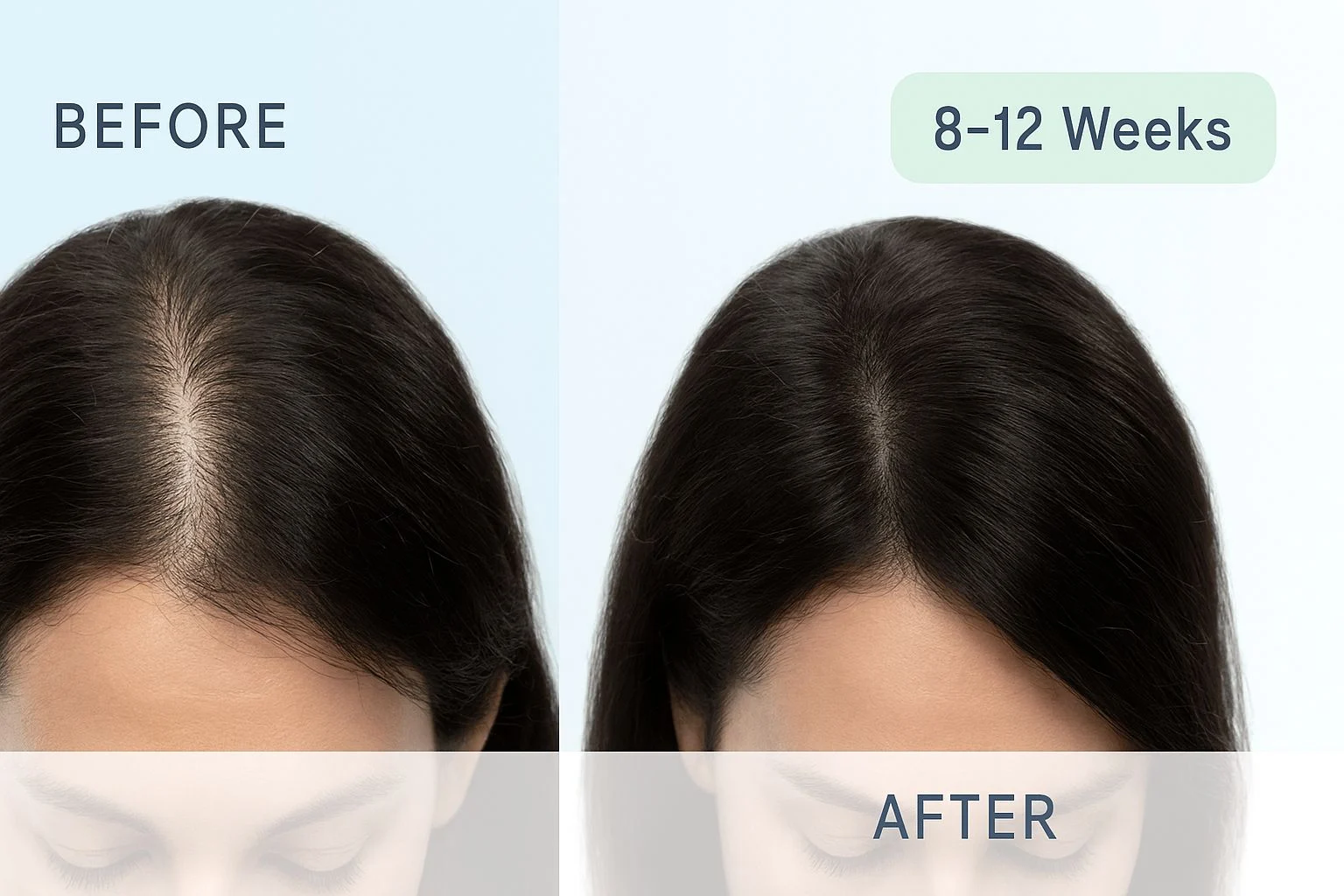
If you’ve noticed excessive hair shedding since starting Ozempic, Wegovy, or Mounjaro, you’re experiencing something incredibly common—and importantly, almost always reversible. You didn’t sign up for hair thinning when you began your weight loss journey, yet here you are, watching more strands collect in your shower drain than ever before.
Here’s the reassuring truth: how to stop hair loss from Ozempic isn’t a mystery anymore. Recent studies confirm that up to 51% of GLP-1 medication users experience noticeable hair changes, but this type of shedding responds exceptionally well to targeted intervention. This isn’t permanent damage—it’s a temporary metabolic disruption your body can absolutely overcome.
This complete recovery protocol will show you exactly what’s causing your semaglutide hair loss, when to expect regrowth, and the precise steps to accelerate your recovery while continuing your weight management journey safely.
Why GLP-1 Medications Like Ozempic Trigger Hair Shedding
Let’s clear up the biggest misconception first: Ozempic doesn’t directly attack your hair follicles. The medication itself isn’t toxic to your scalp. Instead, it creates a perfect storm of physiological stressors that temporarily disrupt your normal hair growth cycle.
The Real Culprit: Telogen Effluvium
When you experience rapid weight loss from semaglutide, your body interprets this as physical stress. This triggers a condition called telogen effluvium—a temporary hair loss pattern where 30% of your hair follicles simultaneously enter the resting phase, compared to the normal 10%.
Think of your hair follicles like thousands of tiny factories. Under normal circumstances, they operate on staggered schedules—some producing new hair while others rest. But when your body detects metabolic stress, it issues an emergency shutdown order to conserve resources for essential functions. Hair production isn’t essential for survival, so it gets deprioritized immediately.
Three Primary Triggers Working Together
1. Rapid Weight Loss Shock
Clinical research shows that losing more than 2 pounds weekly dramatically increases hair shedding risk. Your body perceives this weight reduction as a survival threat, diverting energy away from non-essential tissues like hair follicles.
2. Caloric Restriction and Nutrient Depletion
GLP-1 medications suppress appetite so effectively that many users struggle to consume adequate protein, iron, biotin, and zinc—all critical building blocks for keratin production. Your hair is 95% protein; when protein intake drops, hair quality deteriorates rapidly.
3. Hormonal Metabolic Shifts
Weight loss medications may influence thyroid hormone function and estrogen metabolism. These hormonal fluctuations can further destabilize the hair growth cycle, compounding the problem.
The typical timeline? Hair shedding begins 2-4 months after starting Ozempic or Wegovy. This delayed reaction often confuses users who’ve forgotten about their medication changes by the time hair loss becomes noticeable.
The Science-Backed 3-Phase Recovery Protocol
This protocol addresses the root causes systematically, giving your hair follicles everything they need to shift back into active growth mode.
Phase 1: Immediate Nutritional Intervention (Weeks 1-2)
Objective: Stop ongoing shedding by correcting acute deficiencies
The single most important factor in reversing GLP-1 hair loss is optimizing your nutritional status despite reduced appetite. Here’s your action plan:
Increase Daily Protein Intake Dramatically
Target 1.2-1.6g of protein per kilogram of body weight—significantly higher than the standard 0.8g recommendation. For a 150-pound person, that’s 82-109 grams daily.
Why this works: Hair shafts are constructed almost entirely from keratin protein. When protein intake drops below threshold levels, your body prioritizes muscle tissue over hair production. The result? Thin, brittle strands that break easily and follicles that stop producing new growth.
Practical implementation:
- Add a 25g protein shake to your morning routine
- Include lean protein sources at every meal (chicken breast, Greek yogurt, fish, eggs)
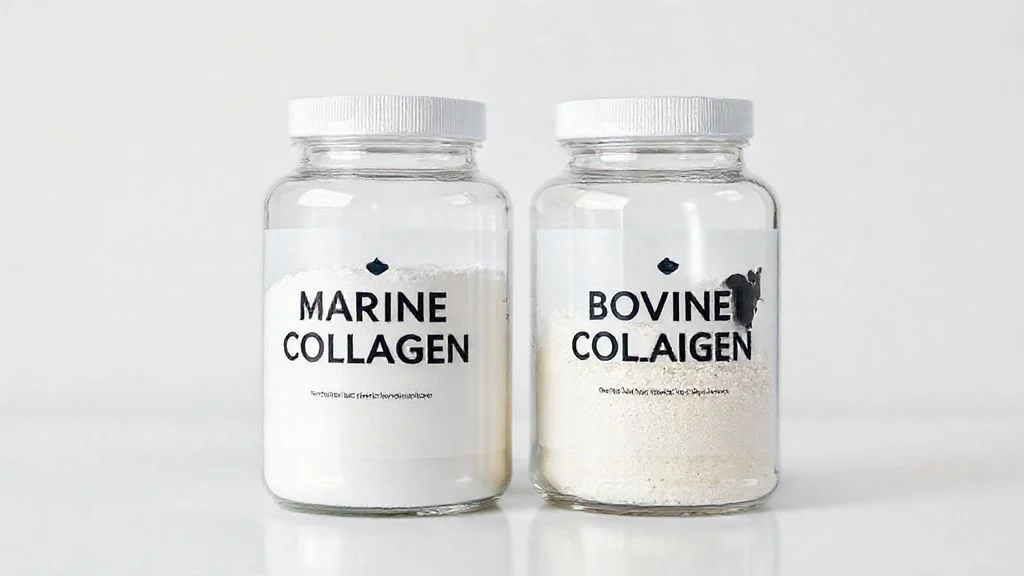
- Consider collagen peptides (10g daily) for amino acid support
Prioritize Hair-Critical Micronutrients
Certain vitamins and minerals directly regulate the hair growth cycle. Deficiencies in these nutrients accelerate telogen effluvium:
Iron: Essential for oxygen transport to follicles. Target ferritin levels above 70 ng/mL (not just “normal” range). Best sources include grass-fed beef, spinach, lentils, and fortified cereals.
Biotin (Vitamin B7): Supports keratin infrastructure. Aim for 30-100 mcg daily through eggs, almonds, sweet potatoes, or targeted supplementation.
Zinc: Regulates hair follicle cycling and protein synthesis. Get 11mg daily (men) or 8mg daily (women) from oysters, beef, pumpkin seeds, or supplements.
Vitamin D: Activates hair follicle stem cells. Target levels between 30-50 ng/mL through fatty fish, fortified milk, or 2,000-4,000 IU supplementation.
Combat Extreme Caloric Restriction
If you’re eating under 1,200 calories daily, you’re likely in metabolic distress even if you don’t feel hungry. Work with your healthcare provider to gradually increase intake to at least 1,400-1,500 calories.
Consider adjusting your GLP-1 dosage if appetite suppression is so severe you physically cannot eat adequate nutrition. The medication should support healthy weight loss—not create new health problems.
Phase 2: Targeted Supplement Protocol (Weeks 3-8)
Objective: Accelerate recovery with evidence-based supplementation
CRITICAL NOTE: Get blood work before starting supplements. Testing ferritin, vitamin D, zinc, and thyroid function reveals exactly what your body needs rather than guessing with expensive products.
The Core Supplement Stack for Ozempic Hair Loss
Iron Supplementation (If Deficient)
- Dosage: 65mg elemental iron daily with vitamin C for absorption
- When to take: Only after confirming ferritin below 70 ng/mL
- Evidence: Iron deficiency affects 25% of rapid weight loss patients and directly impairs hair shaft integrity
- Timeline: Expect 8-12 weeks to restore levels; hair regrowth follows 2-3 months later
Biotin (Vitamin B7)
- Dosage: 2,500-5,000 mcg daily
- Evidence: Studies show biotin supplementation helps specifically in deficient individuals; benefits are limited if levels are already adequate
- Important warning: High-dose biotin interferes with thyroid function tests and cardiac enzyme tests—inform your doctor before lab work
Collagen Peptides
- Dosage: 10g daily
- Evidence: Provides glycine, proline, and hydroxyproline—amino acids abundant in hair structure
- Best time: Morning smoothie or coffee for consistency
Omega-3 Fatty Acids (EPA/DHA)
- Dosage: 1,000mg combined EPA and DHA
- Evidence: Reduces scalp inflammation and supports follicle health
- Sources: Fish oil capsules or algae-based supplements for vegetarians
Vitamin D3
- Dosage: 2,000-4,000 IU daily if levels below 30 ng/mL
- Evidence: Vitamin D receptors regulate hair follicle cycling; deficiency prolongs telogen phase
Optional But Powerful Additions
Saw Palmetto (Natural DHT Blocker)
- 320mg daily may help block dihydrotestosterone, particularly useful if you have underlying androgenetic alopecia compounding the problem
Pumpkin Seed Oil
- 1,000mg daily shows promising results in clinical trials for improving hair count
Phase 3: Advanced Treatment Options (Months 3-6)
Objective: Maximize regrowth for stubborn cases
If you’ve completed Phases 1-2 diligently for 8 weeks with minimal improvement, consider escalating to advanced interventions.
Topical Minoxidil (Rogaine) ⭐⭐⭐⭐⭐
Evidence level: FDA-approved, gold-standard treatment
How it works: Extends the anagen (growth) phase while shortening telogen (resting) phase. Also increases blood flow to miniaturized follicles.
Protocol: Apply 5% solution twice daily directly to affected scalp areas
Timeline: Visible improvements appear around 3-4 months; full results at 6-12 months
Cost: $15-30/month
Important note: You may experience initial increased shedding for 2-4 weeks as weak hairs are replaced with stronger ones—this is expected and signals the treatment is working.
PRP (Platelet-Rich Plasma) Therapy ⭐⭐⭐⭐
Evidence level: Multiple randomized controlled trials confirm efficacy
How it works: Your own blood platelets are concentrated and injected into the scalp, releasing growth factors that stimulate dormant follicles
Protocol: Typically 3 sessions spaced 4-6 weeks apart, then maintenance treatments every 6-12 months
Timeline: 84% of patients see reduced shedding within 1 month; 40% increase in hair count by 6 months
Cost: $500-800 per session ($1,500-2,400 for initial series)
Best for: Moderate to severe shedding, or those wanting to accelerate regrowth timelines
Low-Level Laser Therapy (LLLT) ⭐⭐⭐⭐
Evidence level: FDA-cleared technology
How it works: Red light (630-670nm wavelength) penetrates scalp tissue, stimulating mitochondrial energy production in follicle cells
Protocol: Laser cap or helmet worn 20-30 minutes, 3 times weekly
Timeline: 3-6 months for visible density improvement
Cost: $300-1,000 one-time device purchase
Advantage: Convenient home treatment with no side effects
Prescription Treatments (Consult Dermatologist)
Spironolactone (Women): Blocks androgen hormones that shrink follicles; requires prescription and monitoring
Finasteride (Men): Powerful DHT blocker; highly effective but has potential sexual side effects
Oral Minoxidil (Low-dose): Emerging treatment showing promise at 0.25-2.5mg daily; requires cardiac clearance
Recovery Timeline: What to Expect Week-by-Week
Understanding realistic expectations prevents frustration and premature treatment abandonment.
Weeks 1-4: Stabilization Phase
- Shedding may actually increase initially as damaged hairs fall out
- Energy improves from better nutrition
- No visible regrowth yet (this is normal!)
Weeks 5-8: Early Recovery Signals
- Shedding noticeably slows
- “Baby hairs” (new 1-2mm growth) visible along hairline when examined closely
- Overall density still appears low
Weeks 9-16: Visible Improvement
- Shedding returns to baseline (50-100 hairs daily)
- New growth reaches 1-2 inches length
- Thickness begins returning; you notice improvement when styling
Months 5-9: Full Recovery
- Hair density restored to 80-90% of pre-medication levels
- Can style normally again without visible thinning
- Transition to maintenance phase (continue core supplements)
Critical reminder: Hair grows approximately 0.5 inches monthly. Full length recovery takes 12-18 months, but visible density improvement happens much sooner—typically by month 4-6.
Common Mistakes That Sabotage Recovery
Mistake #1: Stopping Your GLP-1 Medication
Why it’s wrong: Hair loss will resolve on its own as your body adjusts—stopping medication means losing your weight loss progress unnecessarily.
What to do instead: Complete this protocol while continuing medication. If hair loss is truly severe (exceeding 50% density), discuss dosage adjustment with your doctor.
Mistake #2: Taking Random “Hair Growth” Supplements
Why it’s wrong: Most commercial hair vitamins are overpriced biotin without the key nutrients you actually need. You’re wasting money on redundant ingredients.
What to do instead: Get blood work (ferritin, vitamin D, thyroid panel, complete blood count) to identify your specific deficiencies, then supplement strategically.
Mistake #3: Over-Shampooing or Using Harsh Products
Why it’s wrong: While shampooing doesn’t cause hair loss, harsh sulfates and rough handling can break fragile new growth as it emerges.
What to do instead: Wash 2-3 times weekly with sulfate-free shampoo. Use gentle detangling techniques. Minimize heat styling.
Mistake #4: Expecting Immediate Results
Why it’s wrong: Hair follicles operate on 3-4 month growth cycles minimum. Biological processes cannot be rushed.
What to do instead: Take progress photos monthly. Measure success by reduced shedding first, then new growth, then density improvement. Celebrate small wins.
Mistake #5: Ignoring Stress Management
Why it’s wrong: Chronic psychological stress releases cortisol, which prolongs telogen effluvium even after nutritional status improves.
What to do instead: Prioritize 7-8 hours sleep, practice meditation or deep breathing, engage in moderate exercise, consider therapy if overwhelmed.
Should You Stop Taking Ozempic Because of Hair Loss?
Short answer: No, in most cases you should continue your medication while implementing this recovery protocol.
Here’s why:
The hair loss is temporary and reversible in over 90% of cases. It’s caused by the weight loss effects, not the medication molecule itself. Stopping Ozempic means abandoning your health improvement journey—yet the same hair loss can occur with any rapid weight loss method including bariatric surgery, extreme dieting, or illness.
When Stopping Might Be Warranted
Consider discontinuation only if:
- Hair loss exceeds 50% density despite 6 months of intervention
- Psychological distress is severe and affecting quality of life
- Your doctor identifies another underlying cause (thyroid disorder, autoimmune condition)
- Benefits no longer outweigh side effects for your specific situation
Better Alternative: Dosage Adjustment
Instead of stopping completely, ask your healthcare provider about:
- Temporarily lowering your dose to slow weight loss rate to 1-2 pounds weekly
- Adding aggressive nutritional support from day one of treatment
- Scheduling more frequent monitoring of nutrient levels
Frequently Asked Questions
How long does Ozempic hair loss last?
GLP-1-related hair shedding typically lasts 3-6 months from onset, assuming you implement nutritional interventions. Hair loss usually peaks at months 3-4 after starting medication, then gradually decreases. Full density restoration takes 9-12 months total. Starting this recovery protocol early significantly shortens the timeline.
Will my hair grow back after stopping Ozempic?
Yes, hair almost always grows back completely because telogen effluvium doesn’t damage follicles—it just temporarily deactivates them. Studies show 90%+ recovery rates within 6-12 months. Importantly, you don’t need to stop Ozempic for regrowth to occur; your hair will recover while continuing the medication as long as you address the nutritional factors.
Can you prevent hair loss before starting Ozempic?
Absolutely. Proactive prevention reduces risk by an estimated 40-60%. Start these strategies 2-4 weeks before beginning GLP-1 medication: (1) Get baseline blood work (ferritin, vitamin D, thyroid), (2) Begin high-quality multivitamin with iron, (3) Ensure 80-100g daily protein intake, (4) Consider starting collagen peptides (10g/day), (5) Commit to gradual weight loss pace of 1-2 pounds weekly maximum.
Is Ozempic hair loss the same as pattern baldness?
No, they’re completely different conditions. Ozempic-related hair loss is telogen effluvium—temporary, diffuse shedding across the entire scalp caused by metabolic stress. Pattern baldness (androgenetic alopecia) is permanent, genetic, and causes localized thinning at crown and temples. Telogen effluvium resolves spontaneously; pattern baldness requires ongoing treatment. A dermatologist can diagnose which you’re experiencing through scalp examination.
What blood tests should I get for hair loss?
Ask your doctor to check: (1) Ferritin (iron stores)—target >70 ng/mL for optimal hair growth, (2) Vitamin D—target >30 ng/mL, (3) TSH and Free T4 (thyroid function), (4) Complete Blood Count (CBC) to check for anemia, (5) Zinc if symptoms suggest deficiency. These tests identify correctable issues accelerating your shedding. Many GLP-1 users have low ferritin from reduced food intake and poor iron absorption.
When to See a Dermatologist for Ozempic Hair Loss
Consult a hair loss specialist if:
- Shedding continues beyond 9 months despite following this protocol
- You’re losing more than 50% density
- You notice bald patches (not just overall thinning)—this suggests a different condition
- Your scalp shows redness, scaling, itching, or pain
- You want prescription treatments like finasteride or spironolactone
- You’re considering advanced options like PRP therapy
A board-certified dermatologist can perform scalp biopsy if needed and rule out autoimmune conditions like alopecia areata or chronic telogen effluvium that require different approaches.
Conclusion: Your Hair Will Recover
Hair loss from Ozempic, Wegovy, or Mounjaro is one of the most frustrating side effects of an otherwise life-changing medication—but it doesn’t have to derail your progress. By following this three-phase recovery protocol, you’re addressing the root nutritional and metabolic causes while supporting your body’s natural regeneration process.
Remember this crucial fact: this type of hair loss is temporary and reversible. The steps outlined here—optimizing protein, correcting deficiencies, strategic supplementation, and advanced treatments if needed—have helped thousands of GLP-1 users regain their hair while continuing successful weight loss journeys.
Your hair will grow back. The process requires patience, consistency with the protocol, and kindness to yourself during recovery.
Start Phase 1 today. Take progress photos now so you can track your recovery journey accurately. Come back in 8 weeks and note the reduced shedding—that’s when you’ll know this protocol is working.
Share your experience in the comments below. Your story could be the hope someone else desperately needs to hear right now.